Environmental Hygiene Standards for ASF Accreditation [HYG-01-EN]

- Description
- Curriculum
- Reviews
Workplace Hygiene & Contamination Control [HYG-01-EN]
About This Course
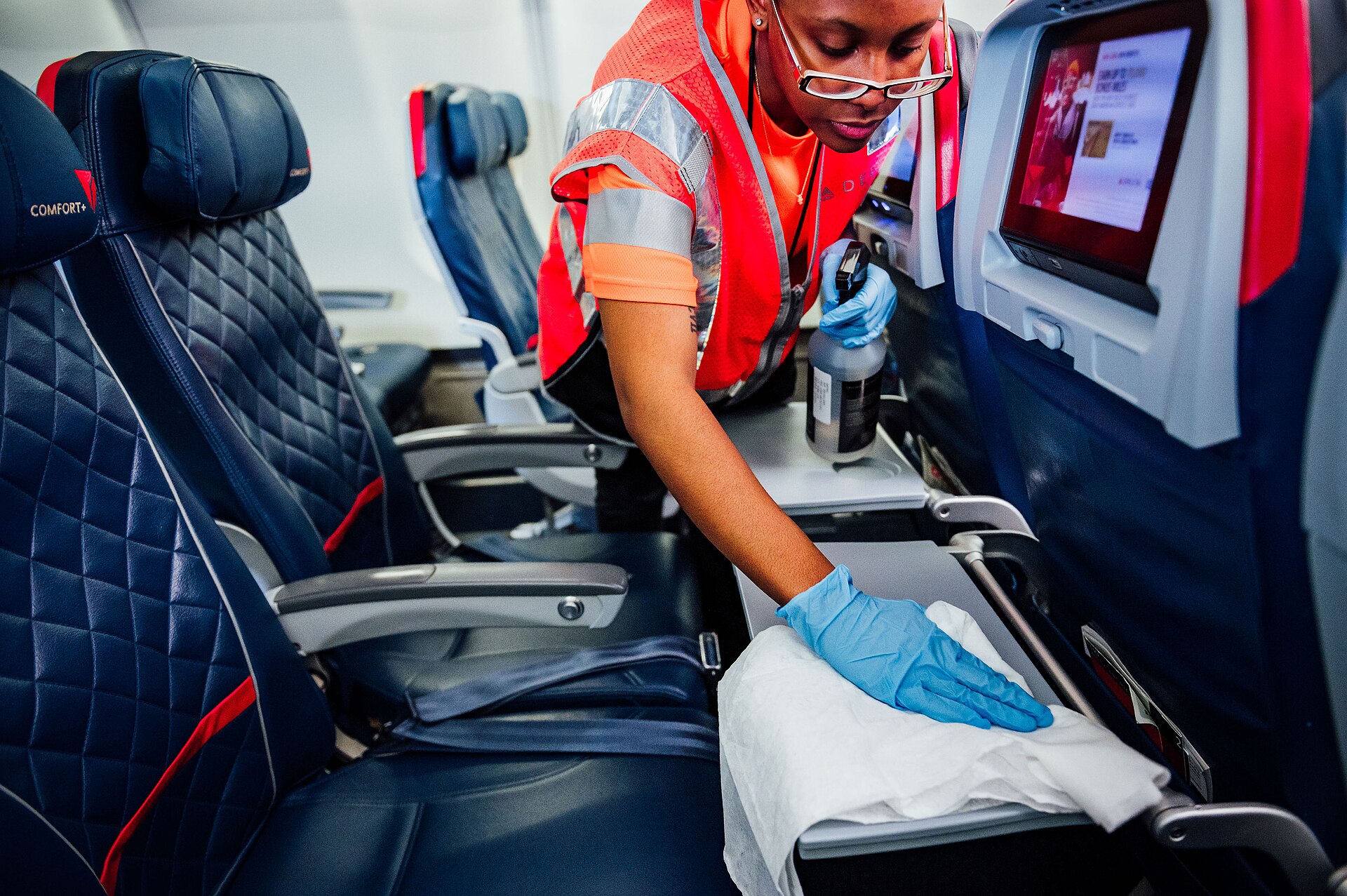
Inadequate workplace hygiene causes healthcare-associated infections, food safety failures, environmental contamination, and product quality losses across all sectors. This course trains hygiene supervisors, cleaning staff, facilities managers, and operations leaders in evidence-based hygiene management, contamination control, and chemical safety, in alignment with ASF workplace hygiene standards and WHO environmental hygiene guidelines.
What You Will Learn
- Microbiology of contamination: bacterial, viral, and fungal contamination routes, reservoirs, and survival times on surfaces
- Cleaning vs. disinfection vs. sterilisation: selecting the right process for different environments and risk levels
- Cleaning schedules: frequency-based and outcome-based schedules, touch-point mapping, and audit-ready documentation
- Chemical safety for cleaning staff: dilution rates, contact times, PPE requirements, COSHH assessment, and chemical storage
- High-risk area hygiene: clinical environments, food production, pharmaceutical manufacturing, and isolation room decontamination
- Hygiene audit and monitoring: ATP bioluminescence testing, visual inspection standards, and corrective action processes
Course Structure
The course includes a Start Here module with pretest, six modules on workplace hygiene and contamination control, and a Capstone & Certificate section with post-test and certification exam (minimum 5 questions each).
Who This Course Is For
Hygiene supervisors and managers, cleaning and housekeeping staff, facilities managers, infection control nurses, food production quality staff, healthcare environmental services teams, and operations managers responsible for hygiene compliance in any sector in Georgia.
Standards and References
Built on ASF standards, WHO guidelines, Georgian Accreditation Centre, NCDC Georgia, GMJ Academy News, GMJ.ge.
Frequently Asked Questions
What is the difference between cleaning and disinfection? Cleaning removes visible dirt and organic matter but does not kill microorganisms. Disinfection reduces microbial load to a safe level but requires a clean surface to work effectively. The course explains why both steps must be performed in order, and how to select the right disinfectant for the pathogen and surface type.
How is ATP testing used to verify cleaning effectiveness? ATP (adenosine triphosphate) bioluminescence testing measures residual biological contamination on a surface in seconds, giving immediate feedback on cleaning quality. The hygiene audit module covers how to interpret ATP results, set pass/fail thresholds, and use ATP testing as part of a continuous improvement programme.