
Water Source Testing & Documentation [WATER-01-EN]

- Description
- Curriculum
- Reviews
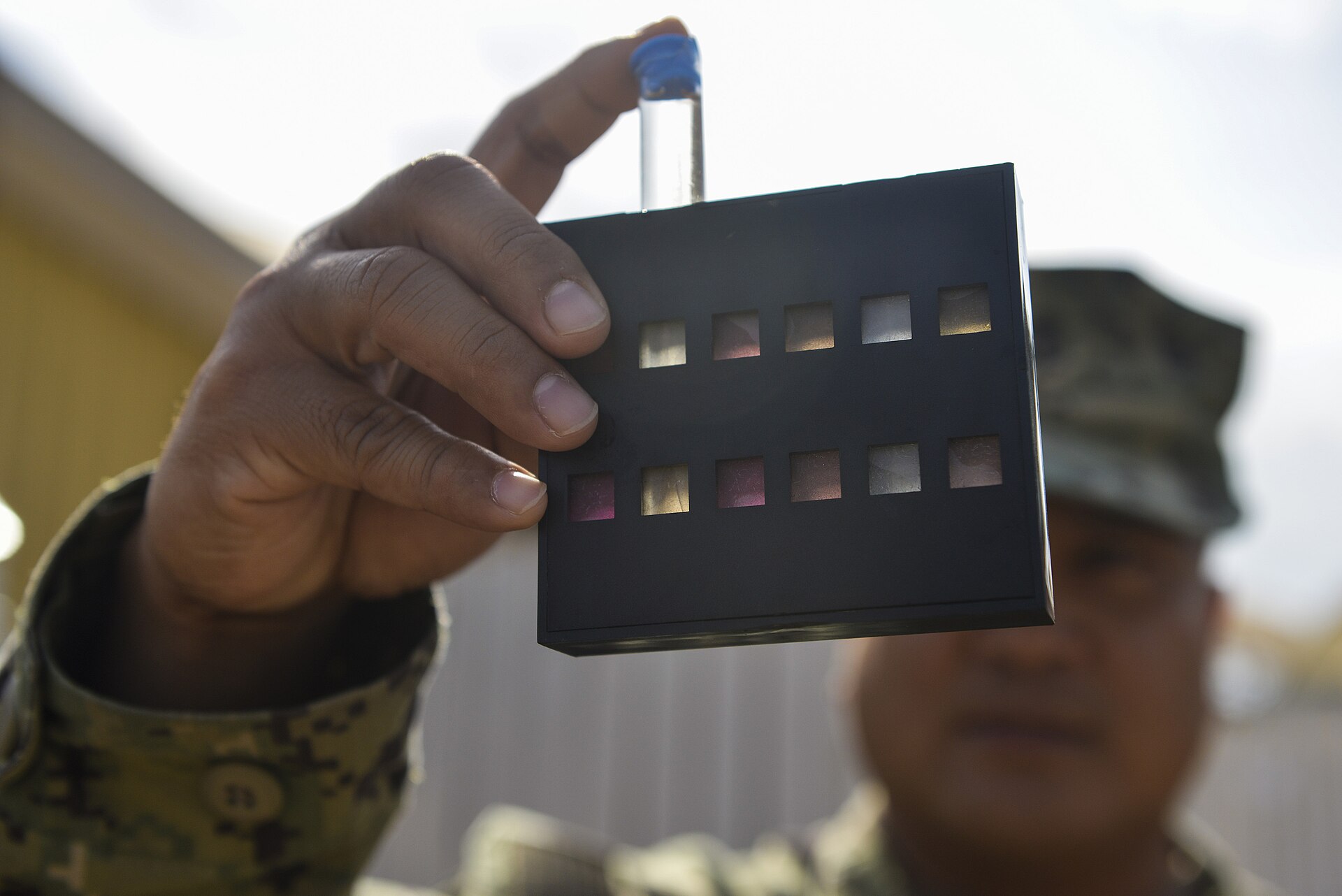
Water Source Testing & Documentation [WATER-01-EN]
Contaminated or inadequately documented water systems represent one of the most underestimated vectors of healthcare-associated infection, contributing to outbreaks of Legionella pneumophila, Pseudomonas aeruginosa, and non-tuberculous mycobacteria in clinical environments globally. The World Health Organization’s Water Safety in Buildings framework and Joint Commission International (JCI) accreditation standards both mandate systematic water risk assessment and rigorous documentation as non-negotiable elements of patient safety governance. In Georgia and across the South Caucasus, where aging municipal infrastructure intersects with rapidly expanding hospital construction and ongoing healthcare accreditation reforms, the gap between existing water management practice and international benchmarks carries direct patient-safety consequences. This course addresses that gap with structured, operationally actionable content designed for the professionals responsible for closing it.
The course is grounded in WHO’s Guidelines for Drinking-water Quality (4th edition), the WHO Water Safety Plan methodology, ISO 19458 standards for water sampling, and JCI’s Environment of Care requirements, synthesizing these frameworks into a coherent, facility-level workflow. Instruction follows a case-based learning model in which participants engage with real-world documentation failures, laboratory result interpretation, and corrective action planning before applying these skills to their own institutional contexts. Formative assessments embedded throughout each module reinforce decision-making competency rather than passive information recall.
By the end of this course, participants will be able to:
- Distinguish between microbiological, chemical, and physical hazard parameters relevant to healthcare facility water systems, correctly identifying which require mandatory testing under WHO and JCI standards.
- Design a facility-specific Water Safety Plan that maps water sources, identifies critical control points, and assigns monitoring responsibilities in accordance with WHO WSP methodology.
- Implement standardized water sampling procedures conforming to ISO 19458, including correct sample site selection, container preparation, chain-of-custody protocol, and transportation requirements.
- Interpret microbiological and physicochemical laboratory reports, distinguishing alert levels from action levels and linking findings to appropriate clinical risk categories.
- Construct compliant documentation records — including testing logs, corrective action reports, and audit trails — that satisfy JCI Environment of Care accreditation requirements and Georgian national healthcare standards.
- Evaluate an existing water management program against international benchmarks, identifying systemic documentation deficiencies and proposing prioritized, evidence-based corrective measures.
Who Should Attend
This course is designed primarily for hospital quality and patient safety officers, infection prevention and control practitioners, facility and engineering managers, and environmental health specialists working in acute care hospitals, long-term care facilities, and outpatient surgical centers. It is equally relevant to laboratory coordinators who receive and process water samples and to accreditation coordinators preparing institutions for JCI or Georgian national accreditation review. Both early-career professionals establishing foundational competency and experienced practitioners seeking to systematize or audit existing programs will find the content directly applicable to their daily responsibilities.
Course Structure
The course is delivered entirely online through the GMJ Academy platform, structured across five self-paced modules with an estimated total study time of four to five hours; each module concludes with a scenario-based knowledge check, and a comprehensive final assessment evaluates applied competency across all learning outcomes. Successful completion earns a GMJ Academy certificate of achievement, and participants should consult their national or institutional CPD body to confirm eligibility for continuing professional development credit recognition.


